
Feline care • Follow-up, medicines and dental benefits

Choose cat health insurance around the care it must support

A cat’s illness can create different kinds of expenses over time. Compare those categories instead of assuming a health-insurance label covers them all.

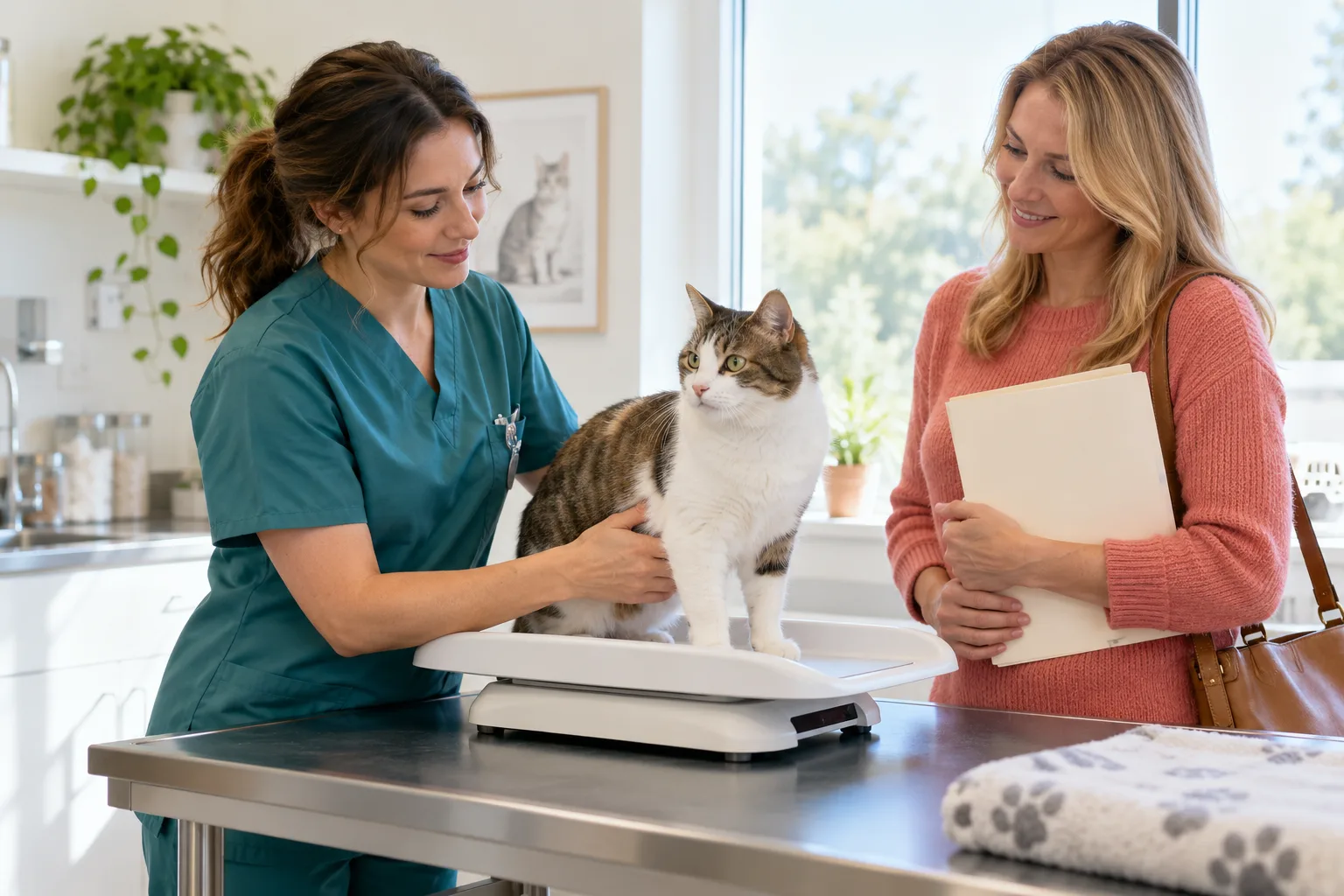
Veterinary professional and owner talking beside a cat on a clinic scale
✓ Policy-first ✓ Independent ✓ Useful checks
Direct answer
For broad feline health protection, compare accident-and-illness offers that clearly address follow-up examinations, diagnostics, medicine and dental disease, then check each cat’s history. The best choice is the actual configuration that meets your cat’s needs, not a universal brand winner.
FAQ

Map a course of care into separate benefit questions

Feline care category Question for the insurer Why a broad label is insufficient
Repeated monitoring Are eligible return examinations and repeat tests included? The original diagnostic bill and later monitoring need separate expense treatment.
Medication Does the selected plan include prescribed drugs for the eligible condition? A product may offer a medicine option without including it in every quote.
Therapeutic food What qualifies as treatment, and what is excluded as maintenance? A prescription alone may not satisfy every food clause.
Dental disease Which diagnoses, procedures and prerequisites are covered? Dental injury, dental illness and preventive cleaning are different questions.

Cornell’s kidney-disease guidance illustrates why feline care can involve continuing assessment and dietary management. Its dental guidance distinguishes diseases such as gingivitis, periodontitis and tooth resorption. These clinical sources identify categories to ask about; they do not establish that an insurer covers your cat or predict what your cat will need.

Ask your veterinarian about the cat’s actual care, including existing signs or treatment. Do not use this list to diagnose a disease or delay a visit while arranging insurance. A condition can matter to underwriting before it has a final diagnostic name.
Compare

Compare an included-benefit approach with a selected-option approach

Candidate Official features worth checking Decision boundary
ASPCA Pet Health Insurance Complete Coverage Describes eligible exam fees, medicines, dental illness and prescribed food used to treat a covered condition. Routine care and maintenance food are not automatically included; history and state terms still apply.

This shortlist is not a price ranking or claims-service survey. We have not obtained offers for your cat. Compare the total cost after selecting the benefits you want, and ask the insurer to identify the corresponding state policy and endorsements. Other providers can be suitable too.

If a missing category is essential, decide whether the offer can be configured to include it. Do not compensate for an excluded essential expense by awarding extra points for unrelated conveniences. If it is nonessential, record that you will budget it yourself.

What to know

For dental care, the option name can change the answer

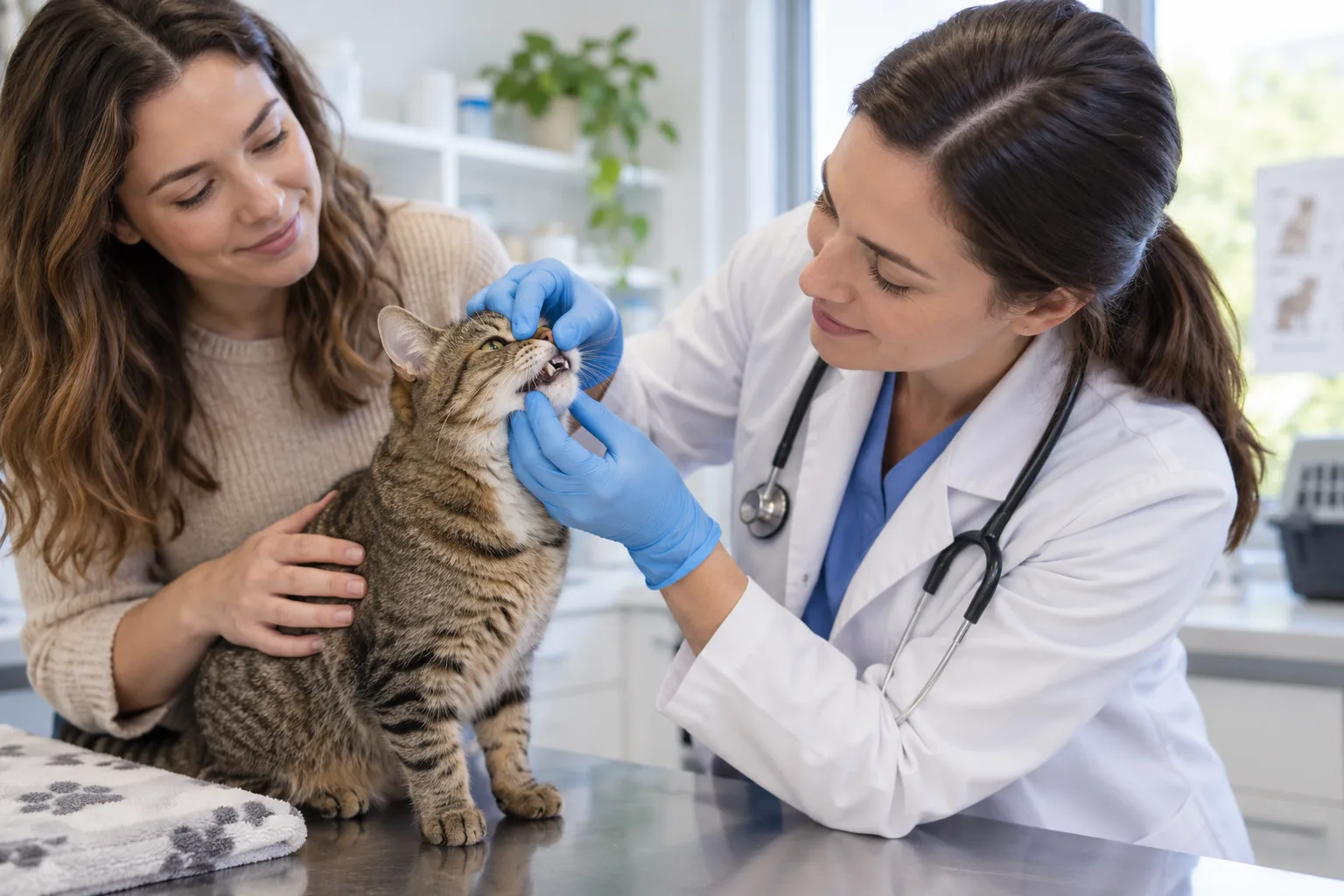
Veterinary professional looking at a cat’s mouth with the owner nearby
Dental injury, dental disease and preventive cleaning call for separate benefit checks.

It also describes enhanced Dental Care in select states that includes routine cleaning, has no deductible, and can cover pre-existing dental conditions, subject to the offered terms.

The enhanced option is advertised for addition while a pet is age 0–3, with continuous coverage, retention of the benefit and preventive-care requirements. Waiting periods can still apply to a new policy. Confirm the actual offer rather than assuming the enhanced option exists for an older cat or at every address.

This is a narrow product distinction. For another insurer, request its own dental definition and requirements instead of importing this structure.

If your cat already has a recommended extraction, disclose the records and ask how that exact history would be treated. An option appearing in a quote is not a claim approval, and the veterinarian should decide the care timetable.

Cost & value

Follow-up medicine and food need their own budget lines

For a hypothetical new eligible feline illness, separate the recheck visit, laboratory work, prescribed drug and therapeutic diet on your estimate. Obtain written treatment of each item under the selected offer. A single “illness covered” answer does not settle all four.

ASPCA Pet Health Insurance’s current Complete Coverage description distinguishes prescribed food used to treat a covered condition from general maintenance or weight management. Other products can have different exclusions, definitions and optional benefits. Do not classify an ongoing food purchase solely from the fact that a veterinarian recommended it.

As a budgeting illustration, if a $240 recheck bill contains $60 in charges that the actual policy excludes, only the remaining $180 reaches its deductible and reimbursement calculation. The retained amount is not simply 20% of $240 on an “80%” policy. The precise payment still depends on the contract and deductible progress; no claim amount is promised here.

What to know

Make the final choice without losing useful continuity

  • List the cat’s current diagnoses, symptoms and treatment accurately for the application.
  • Check eligible new-care categories and exceptions in the actual policy, not another customer’s review.
  • For an already insured cat, compare replacement history treatment before cancelling existing cover.
  • Choose a premium and retained-cost arrangement that you can maintain across repeat care.
  • Keep routine prevention as a separate clinical and budgeting decision, whether or not you buy an allowance.

A cat that appears comfortable or lives indoors can still need illness care; appearance does not settle either diagnosis or insurance eligibility. The useful final statement is specific: the offer supports these categories, these items remain outside it, and the household understands the payment process. That is a stronger basis for “best” than an unexplained rating.

Evidence

Sources and policy context

These public references support the consumer or veterinary context. Named insurer details were checked in official product materials; the policy offered for your pet and state determines the actual terms.

Next step

Compare Current Pet Insurance Rates

Check current options for your pet and location, then compare the policy details, exclusions, costs, and eligibility before choosing.

Compare the policy before you choose Check the actual offer, exclusions and out-of-pocket terms.
See Rate Options